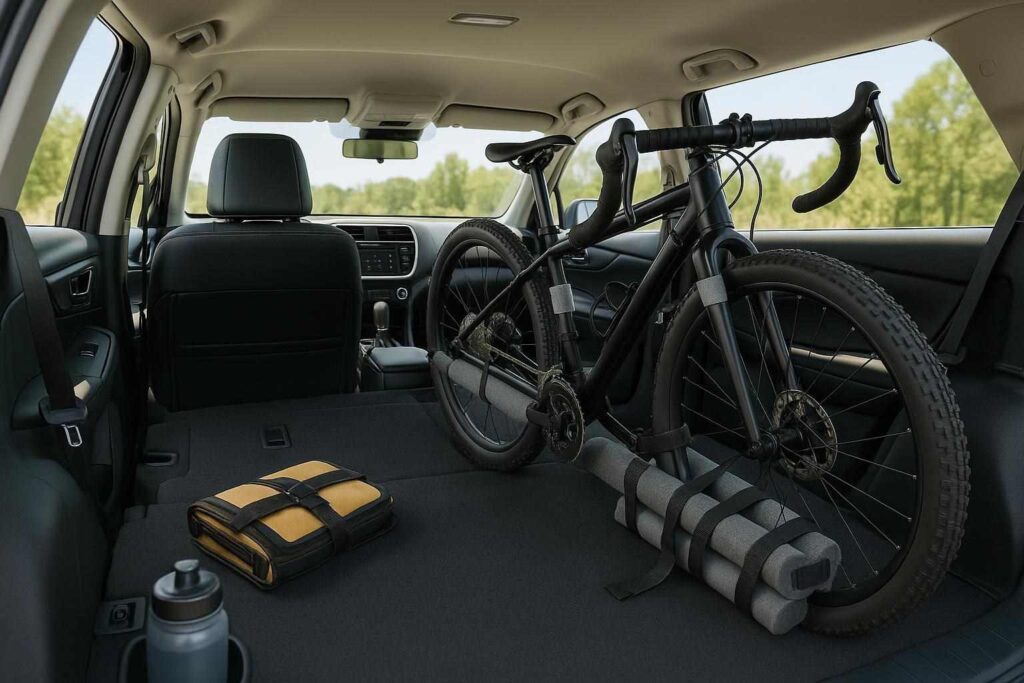
Mastering Bikepacking: How to Safely Transport Your Bike for the Ultimate Adventure
Planning a weekend bike trip can be really fun. One big problem often comes up: how to get your bike to where you're going safely and easily. Whether you are going to the mountains for a big downhill. The countryside, for a ride making sure your bike gets to the start without any problems is very important. This article talks about a situation. Gives practical tips to make your next bike trip easier and make sure your bike is safe.
Choosing the Right Car for Your Bike Trip
The car you choose can make a difference in how easy it's to transport your bike. If you have a SUV or van you have a lot of options. You can lay your bike down flat. Use straps to keep it from moving during the trip. Make sure to use things like blankets or foam to protect your bike from scratches and dents.. If you have a car it can be a bit harder. In this case you might want to get a bike rack that attaches to the back of your car. These racks can hold bikes. Keep them upright which helps prevent damage.
When you are picking a bike rack pay attention to how weight it can hold and if it will work with your car. Some racks are made for bikes, which are heavier than regular bikes. If you plan to take kinds of bikes with you, a rack that can adjust to bike sizes will be very useful. For people with cars a trunk-mounted rack is an option but be careful how it attaches so it does not scratch your car. These racks usually have rubber or foam to protect your car. You need to make sure they are attached tightly before you start driving.
Getting Your Bike Ready for the Trip
Once you have a way to transport your bike the next step is to get your bike ready for the trip. Depending on how you're going you might want to do some basic checks on your bike before you load it up. Start by making sure your tires have air because they can lose air over time especially if it gets really hot or cold. It is an idea to check the air in your tires the day before you leave so you have time to make any changes.
Next check your brakes to make sure they are working right. Look at the brake pads to see if they are worn out and make sure they are working correctly. If you are not sure you can squeeze the brakes a few times to see how they feel. Taking the time to check these things before you leave can help you avoid problems when you start your trip. Do not forget to check your chain and gears and put some oil on them so they work smoothly when you are riding.
Finally think about taking off any things on your bike like your water bottle holder so they do not get lost or broken. If you have a bike computer or GPS it is an idea to take those off too because they might attract thieves. For people who are traveling a way you might want to take your bike a little bit. Taking off the wheel can make it easier to fit your bike into spaces. You might also want to use a bike bag or case to protect your bike from scratches and dirt especially if you are flying or taking transportation.
Loading and Securing Your Bike
When it is time to load your bike the way you do it can be very different depending on the kind of rack or car you have. If you have a hitch-mounted rack make sure it is attached tightly to your car. Check that all the bolts are tight and the hitch is locked. When you are loading your bike always lift it by the frame, not the handlebars because that can damage your bike.
For trunk-mounted racks follow the instructions that come with the rack. Use the straps that come with the rack to secure your bike and make sure it is held tightly in place. After you have your bike loaded check that the straps are tight enough to hold your bike without it moving. If your bike has any parts, like a bag or pump make sure they are secured or taken off. Tighten everything. Give your bike a shake to make sure it is stable before you start driving.
Also if you have bikes make sure they are spaced out so they do not touch each other during the trip. You can use things like cloth between the bikes to protect them from scratches.
On the Road: Tips for Cyclists
When you are on your way remember a things to make your trip smoother. First plan your route ahead of time. Use apps that give you traffic updates and alternate routes to help you avoid delays. This is especially important if you are driving through areas that might have road closures or a lot of traffic. Knowing the roads can give you peace of mind. Might even show you some detours to take.
Remember to take breaks not for yourself but also for your bike. Every hours, check that your bike is still secure on the rack especially if you are driving on roads. If you are making stops it is an idea to lock your bike when you are not with it. A strong lock attached to your bike and a fixed object can help prevent thieves from taking your bike. If possible choose places to stop that are well-lit. Have a lot of people around.
In addition to keeping your bike safe always carry a toolkit with you. Even a small multi-tool can be a help if you need to make any repairs. This toolkit should have things like tire levers, patches and a pump to help you fix tires. It is also an idea to have a first-aid kit with you just in case you get hurt while getting ready to ride.
Enjoying Your Destination
When you get to where you're going take a moment to enjoy the view and get ready to ride. Before you unload your bike do a check to make sure everything is still working right. Check your brakes, gears and tire pressure again because the trip might have caused some problems.
Once you are sure your bike is ready it is time to hit the trails. Enjoy the fun of bikepacking knowing that you have successfully taken care of the part of getting your bike to where you are going. With planning and preparation you can focus on what matters. Enjoying the ride and making memories on your bike trips.
Getting your bike to where you're going should not be a problem. Rather a part of your bigger adventure. By understanding how to transport your bike and taking care of it you can make sure your trips are as fun, as the rides themselves.